
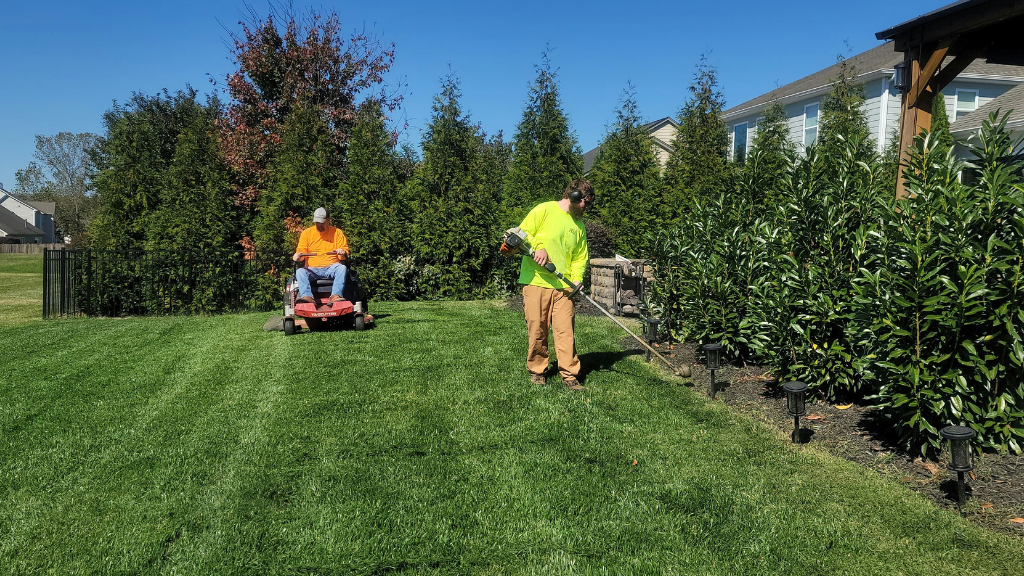
Lawn edging is one of those small details that can make a big difference in how a yard looks. A freshly mowed lawn may be healthy and green, but if the edges are uneven, overgrown, or blending into the flower beds and walkways, the whole yard can look unfinished. Clean edging gives your lawn definition. It separates grass from landscaping, keeps walkways clear, and helps the entire property look more cared for.
If you are wondering how to edge around a lawn with pavers, curves, bricks, flower beds, or other landscape borders, the answer depends on the look you want and how much maintenance you are willing to keep up with. For homeowners in Florida, where grass can grow quickly during the warm and rainy seasons, regular edging is an important part of overall lawn care Port Charlotte FL property owners should not overlook.
Why Lawn Edging Matters
Lawn edging creates a clear separation between your grass and the other areas of your yard. This may include sidewalks, driveways, patios, pavers, mulch beds, flower beds, trees, and decorative landscape areas. Without edging, grass can slowly creep into places where it does not belong.
A well-edged lawn also makes mowing easier. When the border is clear, it is easier to follow the line with a mower or trimmer. This helps create a cleaner, more consistent appearance from week to week. A professional lawn mowing service Port Charlotte FL homeowners rely on will usually include trimming and edging as part of routine lawn maintenance because those finishing touches help the yard look complete.
How Deep Should Lawn Edging Be?
For most lawn edging, a depth of about 4 to 6 inches is a good rule of thumb. This is deep enough to create separation between the lawn and nearby beds, walkways, or hardscape areas. It also helps slow down grass roots from spreading into flower beds or mulch.
If you are creating a simple edge along a sidewalk, driveway, or paver path, you may not need to go quite as deep every time. In those cases, the goal is usually to remove the grass that has grown over the hard surface and restore the clean line. For flower beds or landscape borders, a deeper edge is usually more helpful because it creates a better barrier between the grass and the bed.
If you are installing a physical edging material like brick, stone, plastic, metal, or pavers, the depth will depend on the height and style of the material. Some edging materials need to sit several inches below the surface so they stay secure and do not shift over time.
Edging Around Pavers
Pavers are a popular choice for patios, walkways, garden paths, and landscape borders. They look attractive, but they can quickly lose their clean appearance if grass starts growing over the edges.
When edging around pavers, the goal is to expose the edge of the paver and keep grass from covering it. If the pavers are part of a walkway or patio, the edge should follow the exact shape of the paver line. This gives the area a crisp, intentional look.
For a more permanent edge, pavers may need a base or restraint to help keep them in place. If the border shifts, the lawn edge may become uneven over time. Keeping the grass trimmed back from the pavers helps protect the finished look and makes routine maintenance easier.
Creating a Curved Lawn Edge
Curved edging can make a yard feel softer and more natural. It works especially well around flower beds, palm trees, shrubs, and landscape islands. A curved edge can also help break up a plain rectangular yard and add visual interest.
The key to a good curved edge is making it look smooth, not random. Before cutting, it helps to mark the curve with a garden hose, rope, spray paint, or small flags. This lets you step back and see the shape before making a permanent cut.
Wide, gentle curves are usually better than tight curves. Tight curves can be harder to mow and maintain, while smooth curves are easier to follow with lawn equipment.
Using Bricks for Lawn Edging
Brick edging gives a yard a classic and finished appearance. It works well around flower beds, walkways, trees, and front yard landscaping. Bricks can be laid flat, set upright, or angled for a decorative look.
When installing brick edging, the trench should be deep enough to hold the bricks securely. If the bricks are laid flat, the trench may only need to be a few inches deep. If the bricks are standing upright or placed at an angle, the trench will need to be deeper so the bricks do not lean or shift.
A level base is important. If the ground underneath the bricks is uneven, the border may become wavy or unstable over time. Adding a small layer of sand or paver base can help keep the bricks in place and improve the final look.
Edging Around Flower Beds
Flower beds need a clean edge because grass can quickly grow into mulch, soil, and plants. Once grass gets into a flower bed, it can be frustrating to remove because the roots may spread underneath the mulch.
For flower beds, a 4 to 6 inch edge is usually helpful. This creates enough separation to slow down grass growth while keeping the bed looking clean. Some homeowners choose a natural trench edge, while others prefer stone, brick, metal, or paver borders for a more permanent look.
After edging a flower bed, it is a good idea to refresh the mulch. Fresh mulch makes the new edge stand out and helps the bed look neat and finished.
Choosing the Right Edging Style
The best edging style depends on the layout of your yard and the look you prefer. A simple trench edge works well for a natural landscape. Brick or paver edging creates a more structured appearance. Stone can look attractive in tropical or coastal-style landscaping, while metal edging can give a cleaner, more modern look.
- Use pavers for a durable, decorative border around walkways and patios.
- Use curves around flower beds, trees, and landscape islands for a softer look.
- Use bricks for a classic border that adds structure to the yard.
- Use a natural trench edge for a simple, clean separation between grass and mulch.
- Use stone edging for a more organic landscape design.
How Often Should Lawn Edging Be Maintained?
In Port Charlotte, FL, lawn edges may need regular attention, especially during the growing season. Warm weather, rain, and irrigation can cause grass to spread quickly. Edges along sidewalks and driveways may need to be cleaned up during routine mowing, while flower bed edges may need deeper reshaping a few times a year.
Keeping up with edging regularly is much easier than trying to correct overgrown borders later. Once grass spreads into mulch or grows several inches over a walkway, it takes more time to restore the edge. Consistent lawn care Port Charlotte FL services can help prevent that from happening.
Simple Tips for Better Lawn Edging
- Mark curved edges before cutting so the shape looks smooth.
- Keep edges deep enough to separate grass from beds and borders.
- Avoid sharp curves that are difficult to mow around.
- Trim around pavers carefully so the edge stays visible.
- Refresh mulch after edging flower beds for a cleaner look.
- Maintain edges regularly during the growing season.
Keep Your Lawn Looking Clean and Finished
Lawn edging helps your yard look neat, organized, and easier to maintain. Whether you are edging around pavers, creating a curved landscape bed, installing bricks, or cleaning up the border around a flower bed, the right edge can make the entire lawn look better.
For most yards, edging 4 to 6 inches deep is a good starting point, especially around beds and borders. From there, regular maintenance keeps the line clean and prevents grass from spreading where it does not belong.
If your yard edges are uneven, overgrown, or difficult to keep up with, a professional lawn mowing service Port Charlotte FL homeowners trust can help restore a clean look. With the right edging and consistent lawn maintenance, your outdoor space can stay neat, attractive, and easier to enjoy throughout the year.